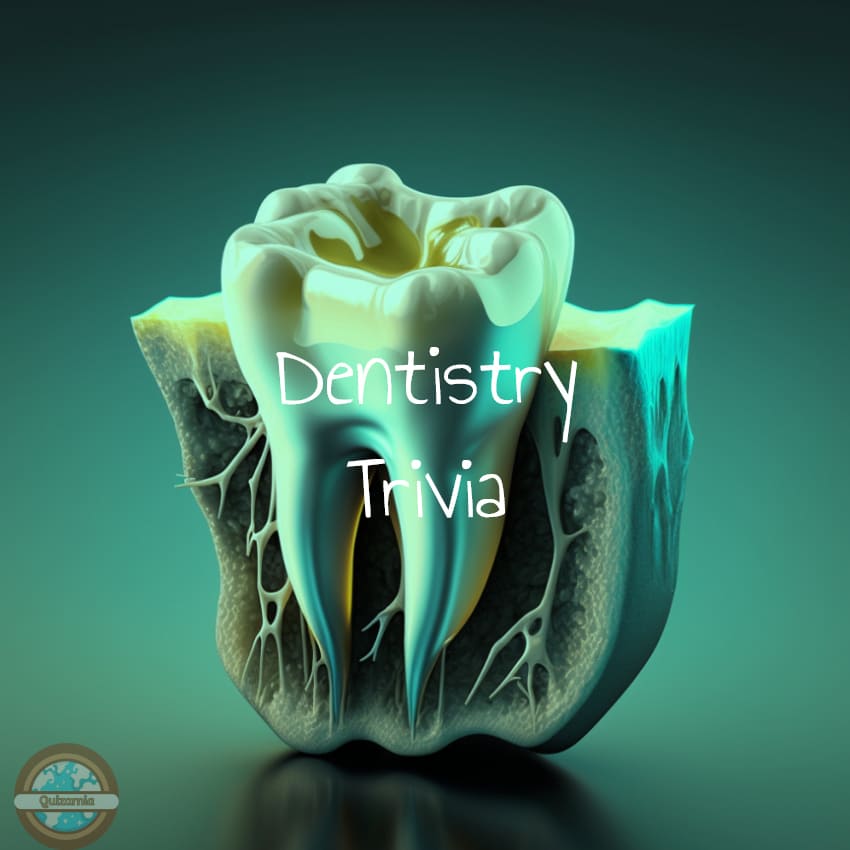
Think you know your enamel from your dentin? Or that you could tell the difference between periodontitis and gingivitis without breaking a sweat? Welcome to our Dentistry Trivia, the ultimate general knowledge test designed to challenge everyone, from dental students and professionals to anyone curious about the science behind a healthy smile.
This free online dentistry quiz will take you on a journey through the fascinating world of oral health, with 90 carefully curated questions divided into easy, medium, and hard levels. Each level introduces a new layer of complexity -> from basic dental hygiene to advanced clinical procedures and anatomy.
Dentistry is much more than fillings and checkups, it’s a field that combines precision, art, and science. In this quiz about dentistry, you’ll face questions covering:
The anatomy of teeth, gums, and oral structures
Common dental treatments and procedures
Oral diseases, prevention, and diagnostics
Innovations in modern dental care
Each set of 10 trivia questions is grouped by difficulty, making it easy to progress from beginner to expert as you go. And if you ever find yourself second-guessing a tricky question, you can click the button at the end of each section to reveal the correct answers.
🪥 Inside This Dentistry Trivia
Below, you’ll find the full interactive quiz block with all the questions. They’re designed to keep you thinking, smiling, and maybe even grinding your teeth a little at the harder ones!
Because learning is more fun when it comes with a challenge! Here’s why people love testing their knowledge with this dental-themed quiz:
It’s fun and free – No cost, no registration, just pure brain exercise.
It’s for everyone – Whether you’re a dental student, a hygienist, or just curious, you’ll find your level.
It’s dynamic – Questions are grouped from easy to hard, so the deeper you go, the more rewarding it feels.
It’s educational – Improve your understanding of oral health while having fun.
🧠 Ready to Sink Your Teeth Into It?
If you love the feeling of a challenge, this dentistry quiz will make your neurons sparkle like freshly polished teeth. So, are you ready to prove you’re a master of molars and a guru of gums?
👉 Take the Dentistry Trivia now and see how bright your knowledge really shines!
Easy Dentistry Trivia Questions
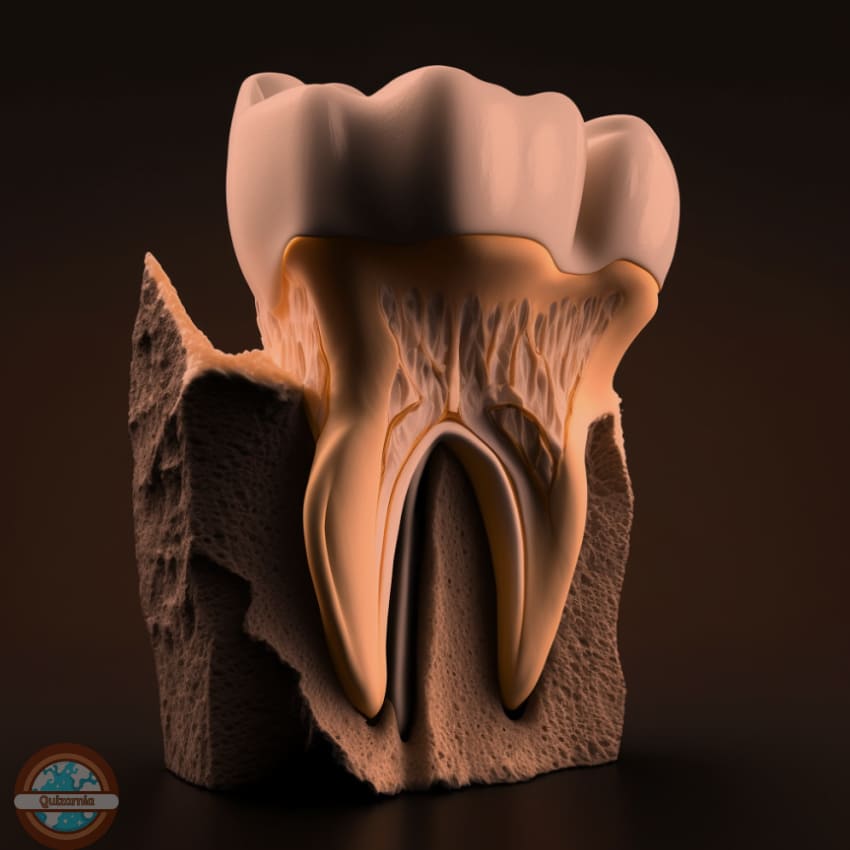
1. What is dentistry?
Dentistry is the field dedicated to averting and addressing oral ailments, encompassing conditions affecting the teeth, supportive structures, and soft tissues within the mouth.
2. Who is a dentist?
A dental professional is a healthcare practitioner specializing in the diagnosis and treatment of oral health issues. Maintaining proper oral hygiene by caring for your teeth and gums can lower the likelihood of developing other significant health problems such as heart disease and stroke. It is advisable to schedule regular visits to a dentist for routine examinations and cleanings.
3. What is a cavity?
Cavities are deteriorated regions of your teeth that manifest as small openings or holes. This classification includes three types of cavities. Smooth surface cavities develop on the even sides of your teeth, root cavities emerge on the surface covering the roots, and pit and fissure cavities form on the chewing surfaces of your teeth.
4. What causes tooth decay?
The onset of tooth decay initiates when bacteria in the oral cavity produce acids that assault the tooth's outer layer (enamel). This process may result in the formation of a small opening in the tooth, commonly referred to as a cavity. If left untreated, tooth decay has the potential to induce pain, infections, and, in severe cases, tooth loss.
5. What is a dental crown?
A dental crown is a cap resembling a tooth in shape, employed to restore teeth afflicted by decay, breakage, weakness, or wear. Dentists also utilize crowns to encase dental implants and teeth that have undergone root canal treatment. Crafted from diverse materials such as metal, resin, and porcelain, crowns can endure between five to 15 years when maintained appropriately.
6. What is a dental bridge?
Dental bridges serve as replacements for missing teeth, contributing to the restoration of chewing functionality, aesthetic improvement, and overall enhancement of oral health.
7. What is a dental implant?
A dental implant is a medical device meticulously designed to take the place of a missing root, securing the artificial tooth firmly in position.
8. What is a dental extraction?
Exodontics constitutes the branch of oral surgery focused on the deliberate removal or extraction of a tooth or a segment thereof. This process involves employing suitable techniques and instruments to extract the tooth from its corresponding bone bed.
9. What is a toothache?
Toothache denotes discomfort experienced in and around the teeth and jaws, commonly stemming from tooth decay. The sensation of toothache varies, presenting as intermittent or persistent. Exacerbation of pain often occurs during consumption of hot or cold food and drinks. The intensity of the pain can range from mild to severe.
10. What is a dental abscess?
A dental abscess results from an infection, leading to the accumulation of pus in the teeth or gums, necessitating prompt intervention by a dentist. Left untreated, a dental abscess does not resolve spontaneously and requires immediate attention.
1. What is a tongue scraper?
Utilizing a tongue scraper can aid in the removal of debris, bacteria, and dead cells from the tongue, potentially offering additional advantages such as enhancing one's sense of taste. This quick method effectively eliminates excess particles, including those responsible for causing bad breath, from the surface of the tongue.
2. What is teeth whitening?
Teeth whitening is a cosmetic dental procedure aimed at lightening the color of the teeth. This process involves the use of various techniques and products to reduce or eliminate stains and discoloration, resulting in a brighter and whiter appearance of the teeth.
3. What is a mouthwash?
Mouthwash is frequently employed post-tooth brushing to uphold oral hygiene by eradicating bacteria and microorganisms that contribute to cavities, as well as combating undesirable breath.
4. What is the most common dental procedure?
Prophylaxis cleanings involve the removal of plaque and tartar from the front, back, and sides of teeth, utilizing either a dental scaler or a water stream. The majority of dental patients typically find prophylaxis cleanings sufficient, particularly when maintaining regular daily dental hygiene practices and attending semi-annual dental appointments.
5. What is a dental filling?
Fillings serve to mend a cavity in your tooth resulting from decay. Your dentist will recommend the type of filling they deem clinically essential for the situation.
6. What is a root canal?
Root canals become necessary in cases of a cracked tooth due to injury or genetics, a deep cavity, or complications arising from a previous filling.
7. What is plaque?
Plaque is an adhesive substance formed by the amalgamation of residual food particles and saliva in your mouth. Inadequate brushing following meals allows it to initiate and accumulate on your teeth. This poses a concern as plaque harbors bacteria, thereby fostering conditions that can lead to tooth decay and gum disease.
8. What is a retainer?
A dental retainer is a personalized device worn in the mouth over the teeth, designed to maintain their newly corrected alignment following the use of braces.
9. What are braces?
Braces have the capacity to address various dental concerns, encompassing issues such as misalignment, gaps, rotation, or crowding of teeth.
10. What is Invisalign?
The Invisalign treatment offers a virtually invisible method for teeth straightening, utilizing advanced 3D computer-imaging technology. This technology captures the initial and ultimate aligned positions of your teeth, enabling the creation of a treatment plan that progressively aligns your teeth.
1. What is gingivitis?
Gingivitis represents the initial phase of gum disease, occurring as a result of the accumulation of plaque and bacteria on the teeth, leading to infection. Recognizable symptoms include inflamed, red, and bleeding gums. Standard treatments involve regular dental cleanings and enhanced at-home oral hygiene practices between dental visits.
2. What is periodontitis?
Periodontitis, commonly known as gum disease, is a severe gum infection that adversely affects the soft tissue surrounding teeth. Untreated, periodontitis has the potential to erode the bone supporting your teeth, resulting in tooth loosening or eventual tooth loss.
3. What is a dental cleaning?
A dental cleaning typically ranges from 30 minutes to an hour. Throughout this period, you'll recline in a comfortable dental chair as the dentist assesses your teeth. The process involves the removal of dental plaque and tartar, followed by the application of a gentle abrasive paste to polish your enamel. If X-rays are necessary, your appointment may extend beyond the usual duration.
4. How often should you get a dental check-up?
The frequency of dental check-ups is often correlated with the individual's risk of dental issues. Individuals with a lower risk may find it sufficient to schedule check-ups every 12 to 24 months, reflecting their good oral health. Conversely, those facing more dental challenges may require more frequent check-ups.
5. What is a mouthguard?
Mouthguards serve as a protective barrier for teeth, mitigating the potential damage resulting from excessive pressure, grinding, or impact. They function by absorbing a portion of the force and dispersing it over a broader area. Specifically designed for bruxism, a mouthguard helps maintain separation between the upper and lower teeth, diminishing the impact of grinding and clenching.
6. What is a night guard?
Nightguards play a crucial role in safeguarding teeth from grinding and potential damage during sleep. Their custom-fit design ensures comfort and breathability. While the minor inconveniences, such as the necessity to clean the nightguard and acclimatize to wearing it, are easily manageable, the overall benefits make them a valuable protective measure.
7. What is a dental emergency?
Intense pain disrupting sleep or concentration, persistent mouth ulcers beyond two weeks, prolonged bleeding exceeding 20 minutes after a recent tooth extraction, unresponsive to pressure on a hankie or gauze, all warrant immediate attention and consultation with a healthcare professional or dentist.
8. What is tooth sensitivity?
Sensitive teeth can lead to sharp, transient pain during activities like brushing, eating, or drinking. This sensitivity usually stems from worn tooth enamel or exposed tooth roots.
9. What is orthodontics?
Orthodontics, a specialized field within dentistry, is dedicated to aligning bites and straightening teeth. Consultation with an orthodontist may be necessary for addressing issues such as crooked, overlapped, twisted, or gapped teeth. Common orthodontic treatments encompass traditional braces, clear aligners, and removable retainers.
10. What is dental floss?
Dental floss, alternatively referred to as dental tape, consists of fine nylon or plastic filaments designed for the removal of small food particles and dental plaque from the spaces between the teeth.
Intermediate Dentistry Trivia Questions

1. Which of the following are types of dental fillings?
Materials used for dental fillings include gold, porcelain, silver amalgam (a mixture of mercury, silver, tin, zinc, and copper), as well as tooth-colored options like composite resin, which is composed of plastic and glass materials.
2. What is a dental implant abutment?
Abutments serve as connecting components that link the prosthesis to the implants.
3. What is periodontal disease?
Periodontal (gum) disease is an infection affecting the tissues responsible for supporting your teeth. Primarily triggered by inadequate brushing and flossing practices, the condition arises when plaque, a sticky bacterial film, accumulates on the teeth and solidifies. It manifests initially with symptoms such as swollen, red, and bleeding gums.
4. How does smoking affect oral health?
Smoking restricts blood flow to the gums, weakens the immune system, and increases the likelihood of developing gum disease, tooth loss, and oral cancer.
5. How is oral cancer diagnosed?
Primary tests for mouth cancer typically involve obtaining a small cell sample from the affected area for examination through a biopsy. Additionally, diagnostic imaging techniques such as X-rays, ultrasound scans, CT scans, or MRI scans may be employed to assess the extent and characteristics of the condition.
6. When is a dental veneer used?
A veneer is a slender, tailor-made shell crafted from porcelain and affixed to the frontal surface of a tooth. This cosmetic dental solution offers a swift and efficient remedy for stained, chipped, misshapen, or crooked teeth. Veneers can also be applied to conceal gaps in teeth where orthodontic treatment might not be a suitable option.
7. What are the risks associated with a root canal?
Potential risks associated with a root canal procedure include the risk of damaging surrounding tissues like the gums, nerves, or blood vessels during the process. Additionally, inadequate sealing of the tooth after the root canal may lead to the infiltration of bacteria, resulting in a new infection.
8. What are the different types of orthodontic appliances?
Fixed braces represent a commonly utilized orthodontic appliance. Removable braces, suitable for addressing minor issues or as a component of fixed-brace treatment, offer flexibility. Functional appliances and headgear are additional orthodontic tools used to address specific dental concerns.
9. How can a dental professional diagnose halitosis?
During an assessment for bad breath, your dentist may evaluate the odor emanating from both your mouth and nose, rating it on a scale. Since the back of the tongue is a common source of the smell, your dentist might scrape it to assess its odor. Certain devices are also available to detect specific chemicals responsible for bad breath.
10. What is the purpose of a dental sealant?
Dental sealants are thin coatings applied to the chewing surfaces, particularly on the back teeth (molars), to provide long-term protection against cavities (tooth decay). These sealants create a protective shield that effectively blocks out germs and food, safeguarding the chewing surfaces from the development of cavities.
1. What is the process of a dental implant?
In the surgical process of dental implant placement, the oral surgeon initiates by making an incision to open the gum and reveal the underlying bone. Subsequently, holes are drilled into the bone to create the space where the dental implant metal post will be positioned. Given that the post functions as an artificial tooth root, it is firmly implanted deep into the bone.
2. What is the difference between over-the-counter and professional teeth whitening?
The key distinction lies in the concentration and duration of chemical application. Dentists use a higher concentration of chemicals for a shorter duration, whereas at-home whitening kits employ a lower concentration over an extended period. Achieving whitening goals at home may take weeks or even months, with results lasting approximately one to two weeks.
3. What are the causes of temporomandibular joint disorder (TMJ)?
TMJ dysfunction (TMD) leads to pain and tenderness in the jaw joints and surrounding muscles and ligaments. Causes encompass teeth grinding, jaw injuries, arthritis, and everyday wear and tear. Treatment for TMJ varies individually and may involve medication, physical therapy, custom mouth guards, and, in some cases, jaw surgery.
4. What are the different types of crowns?
The five distinct types of dental crowns—all-resin, all-porcelain, porcelain fused to metal, metal, and stainless steel—present slightly varied approaches to the restoration of damaged and decayed teeth. Each type has its own set of characteristics and applications.
5. What is the purpose of a dental splint?
A dental splint is an orthodontic device crafted to stabilize, support, or protect teeth and their surrounding structures. These custom-made splints are tailored by dentists to address the unique needs of individual patients.
6. How is a dental crown placed?
Dentist or prosthodontist will secure the crown in place using dental cement or adhesive. Dental crowns serve the purpose of covering a broken or decayed tooth when a filling is not a viable option.
7. How is a dental extraction performed?
During a tooth extraction, you will receive a local anesthetic to numb the area around the tooth, ensuring you do not feel pain. Your dentist may use a tooth removal instrument called an elevator to gently loosen the tooth in the gum. Following this, forceps are placed around the tooth, and your dentist will extract the tooth from the gum.
8. How long does the process for getting braces typically last?
Teeth straightening with dental braces typically ranges from 6 months to 2 years for the majority of patients. An accurate estimate of the duration of your braces treatment can be provided by your orthodontist, who will assess your specific requirements based on their experience in treating similar cases.
9. How can a dentist treat a cracked or broken tooth?
Treatment options for a chipped, broken, or cracked tooth include gluing the fragment of the tooth back on, if available, applying a filling or a crown (a cap that completely covers the broken tooth) for restoration, and undergoing root canal treatment, particularly for a badly broken tooth where the nerves are exposed.
10. What is the relationship between gum disease and systemic health?
Periodontal diseases may make individuals more susceptible to various systemic conditions, including cardiovascular disease, colorectal and other cancers, gastrointestinal issues, respiratory tract infections and pneumonia, adverse outcomes during pregnancy, diabetes and insulin resistance, as well as Alzheimer's disease.
1. How can a dentist diagnose a discolored tooth?
A tooth with a root abscess typically exhibits sensitivity to touch or pressure. It is advisable to suggest obtaining an X-ray. Utilizing an X-ray of the affected tooth aids in identifying the presence of an abscess. Additionally, your dentist might employ X-rays to assess the potential spread of infection, leading to abscesses in adjacent areas.
2. What is the role of X-rays in dental treatment?
The utilization of dental X-rays plays a crucial role in enabling your dentist to identify oral health issues, such as cavities and gum disease, at early stages before they progress. Various types of dental X-rays, including intraoral (captured inside the mouth) and extraoral (captured outside the mouth), contribute to comprehensive diagnostics. The integration of dental X-rays is indispensable for ensuring proper oral health and ongoing maintenance.
3. What is the difference between a dental implant and a dental bridge?
While a dental bridge serves the purpose of stabilizing adjacent teeth and preventing their shifting, it differs from an implant in that it lacks a screw inserted into the jaw to fill the socket of the missing tooth. Consequently, a dental bridge does not impede bone loss over time, as it does not provide the same level of support to the jaw structure as an implant would.
4. What is the main advantage of CBCT over traditional CT in dental applications?
CBCT provides a detailed 3D view of dental and bone structures with lower radiation exposure compared to conventional CT scans.
5. What is the role of fluoride in dental health?
Fluoride functions as a preventive measure against tooth decay by enhancing the enamel's resistance to acid. It not only fortifies the enamel but also expedites the deposition of essential minerals, contributing to a healthier enamel and reducing the pace of decay. Research even suggests that in certain instances, fluoride has the potential to halt the progression of already initiated tooth decay.
6. How is a dental splint used?
Dental splinting involves connecting teeth through a thin, fiber-reinforced wire to enhance their stability, enabling them to function in a normal manner. This procedure is advantageous as it facilitates the preservation of teeth, providing a means to retain them effectively.
7. How can a dentist treat a cavity in a child?
The prevalent method for addressing dental decay involves the application of a tooth-colored filling. This procedure is employed when the decay is confined to a limited depth. In essence, the decay is initially removed, and subsequently, a tooth-colored filling is applied to restore the tooth to both a healthy state and its natural cosmetic appearance.
8. How long does a dental bridge treatment typically last?
A dental bridge typically lasts for 5 to 15 years, though some can last even longer with excellent care and maintenance. The exact lifespan depends on factors such as the materials used, the location of the bridge in the mouth, and the individual's oral hygiene habits.
9. What is the role of dental prophylaxis in maintaining oral health?
Dental prophylaxis effectively eradicates the bacteria accountable for bad breath, imparting a sense of lasting freshness and cleanliness to the mouth. Beyond the immediate benefits, it serves as a preventive measure against systemic diseases, as research indicates a close relationship between oral health and overall well-being.
10. What is the relationship between diabetes and dental health?
Individuals with diabetes face an increased risk of developing periodontal (gum) disease, characterized by an infection affecting the gums and the bone supporting the teeth. This condition may manifest in symptoms such as pain, persistent bad breath, chewing challenges, and, in severe cases, tooth loss.
Hard Dentistry Trivia Questions
1. What is the most common genetic cause of missing teeth?
Anodontia, characterized by the complete absence of all teeth, is a genetic disorder often associated with syndromes that encompass additional abnormalities. Although less severe than anodontia, hypodontia and oligodontia are also uncommon genetic conditions. Hypodontia, genetically influenced, typically entails the absence of 1 to 5 teeth.
2. What are the different types of tooth fractures?
Cracked teeth are commonly classified into distinct types, including craze lines, fractured cusps, cracks extending from the crown to the gum line, split teeth, and vertical root fractures. These categories encompass the most frequently encountered types of cracked teeth in dental practice.
3. How can a dentist treat a cracked root in a tooth?
While minor cracks can be treated with fillings or crowns, root canal therapy is typically required when the root itself is cracked.
4. What is the role of occlusion in dental treatment?
The role of occlusion in oral health is pivotal, as the jaw and its muscles exert considerable force during every bite. Failure to distribute this force evenly can lead to substantial and potentially irreversible damage to the teeth, gums, jaw muscles, and overall bone structure.
5. How do different types of dental implant materials differ in terms of biocompatibility?
The successful use of titanium as an implant material is well-documented, and its effectiveness is attributed to its outstanding biocompatibility. This is primarily attributed to the formation of a stable oxide layer on its surface, contributing to its favorable track record in implant applications.
6. What is the most effective method for treating a temporomandibular joint (TMJ) disorder?
Incorporating stretching and massage techniques into your routine, as demonstrated by a healthcare professional, dentist, or physical therapist, can be beneficial for enhancing flexibility and strength in your jaw muscles. Additionally, applying either warm, moist heat or cold to the side of your face may help alleviate pain and discomfort.
7. How can a dentist diagnose an impacted wisdom tooth that has not erupted?
During the examination, your dentist will inquire about your symptoms and conduct a thorough assessment. Additionally, they will utilize dental X-rays to evaluate whether your teeth are impacted and to identify any potential damage to the jawbone or surrounding teeth.
8. How can you classify maxillofacial prosthetics?
Broadly speaking, maxillofacial prosthetics fall into two categories: restorative and complementary. Restorative prosthetics serve as replacements for lost bone or address facial deformities, and they may be positioned either internally within the tissue or externally as oral, ocular, or facial prosthetics.
9. What is the most effective method for diagnosing sleep apnea in dental patients?
During regular dental examinations, dentists have the capability to identify minor upper airway issues and other anatomical risk factors associated with Obstructive Sleep Apnea (OSA). This presents an opportunity to identify potential patients by incorporating uncomplicated screening questions or questionnaires, thus addressing the issue of under-diagnosis of OSA.
10. What is the role of dental stem cells in regenerative dentistry?
Dental mesenchymal stem cells (MSCs) play a crucial role in maintaining the equilibrium and facilitating repair within the tooth structure. These MSCs, found in the periodontal ligament, contribute to tooth homeostasis and repair, while dental pulp MSCs are essential for dentine repair. Recent clinical trials have harnessed the potential of dental MSCs, focusing primarily on applications such as tooth pulp restoration, bone regeneration, and the treatment of periodontitis.
1. How does the anatomy of the oral cavity vary in individuals with cleft palate?
Cleft palate can present in varying degrees, ranging from a mere bifid uvula, affecting only the soft tissue, to a more extensive condition that spans the entire length of both the hard and soft palates, involving both bone and soft tissue.
2. What is the role of orthognathic surgery in correcting severe malocclusions and other skeletal abnormalities of the face and jaw?
Orthognathic surgery becomes necessary when a patient exhibits not only a dental malocclusion but also significant skeletal abnormalities. Typically conducted by an oral and maxillofacial surgeon within a hospital environment, these procedures entail the surgical realignment of the jaws or the repositioning of dentoalveolar segments.
3. Which laser is most commonly used in dentistry?
Diode lasers, categorized as soft-tissue lasers, are frequently acquired by dentists as their initial laser investment, with occasional delegation to their hygiene teams. Due to their cost-effectiveness and user-friendly nature, dental hygienists predominantly utilize diode lasers for common soft-tissue procedures such as gingivectomy and bacterial reduction.
4. What is the most common dental infection?
Dental cavities, resulting from tooth decay, are essentially voids within the teeth. They stand as one of the prevalent oral infections. Everyday foods, such as chips or rice, undergo breakdown into glucose in the body, contributing to the development of these common cavities.
5. How can a dentist diagnose a salivary gland stone?
Salivary stones lead to swelling, pain, or a combination of both in the salivary gland. The discomfort intensifies during eating or in anticipation of meals. Even in the absence of symptoms, dentists may identify salivary stones through routine x-rays during examinations. These symptoms may fluctuate over several weeks or persist consistently.
6. What is the role of bone grafting in dental implant treatment?
Bone grafting encompasses various methods aimed at augmenting the bone volume in your jaw, facilitating optimal positioning for dental implants. Adequate bone at the implant site is a prerequisite for implant placement. This process contributes significantly to the restoration, appearance, and long-term maintenance of the dental implant.
7. How can a dentist treat a dentigerous cyst?
Treatment for large cysts may involve a procedure known as 'marsupialization.' In this process, a dentist or surgeon makes an incision in the cyst, allowing for the drainage of accumulated fluid. Following the drainage, the surgeon sutures the edges of the opened cyst to maintain its openness.
8. What are the different types of dental bonding agents?
Categorically, dental adhesives can be classified into four main groups: universal, total-etch, self-etch, and selective-etch. These classifications pertain to the specific technique employed in conjunction with the dental adhesive, also known as bonding agents. Universal dental adhesives are designed to be compatible with all three etching techniques.
9. What is the most effective method for diagnosing oral leukoplakia?
An excisional biopsy entails the surgical removal of tissue from the leukoplakia patch or the complete removal of the patch if its size is small. This type of biopsy is more extensive and typically leads to a conclusive and definitive diagnosis.
10. What is the role of cone beam computed tomography (CBCT) in dental implant treatment?
Cone Beam Computed Tomography (CBCT) enables surgeons to precisely measure and locate the existing bone, ensuring accurate placement of implants in a correct three-dimensional position. The accuracy is further validated through virtual implant placement.
1. How can a dentist treat a periapical abscess?
The dentist performs a minor incision into the abscess, facilitating the drainage of pus. Following this, the affected area is cleansed with saline (salt water). In some cases, a small rubber drain may be inserted to maintain an open pathway for drainage while reducing swelling.
2. What is the most effective method for treating oral lichen planus?
Typically, medication is not required for the benign form of this condition (reticular lichen planus). However, in instances of intense pain and a burning sensation, the most consistently effective treatment modality involves the use of high-potency topical corticosteroids.
3. What is the role of dental computed tomography (CT) in maxillofacial surgery?
Conventional computed tomography (CT) is the preferred imaging method for cases involving extensive maxillofacial trauma (6). Postoperative CT examinations are necessary when confirming the utmost precision of reconstruction, such as in the case of orbital reconstructions.
4. Which of the following is a type of internal resorption?
Internal resorption can be classified based on the type or cause of resorption into categories such as inflammatory, transient, progressive, and replacement [1] (refer to Table 2). In cases of inflammatory resorption, the initiation is more probable after harm to the predentin, often as a result of bacterial infection or trauma [4].
5. How can a dentist diagnose tooth avulsion or root fracture?
Typically, the diagnosis is confirmed by assessing both clinical signs and radiographic features. However, it's important to note that not all the characteristic signs of a fractured root may be evident in every case. Therefore, the diagnosis of a vertical root fracture relies on a combination of clinical signs, symptoms, and radiographic features, collectively offering valuable clues for accurate identification.
6. What are the risks of dental sedation?
The sedation may result in various effects, including dizziness, fatigue, vomiting, shivering, nausea, and excessive sweating.
7. What is the most effective method for diagnosing oral melanoma?
The definitive and effective method for diagnosing oral malignant melanoma is through a tissue biopsy. A comprehensive clinical examination is crucial, and if suspicious or unexplained lesions are identified, a biopsy should be performed. The decision to conduct surgical lymph node harvest depends on the identification of positive nodes through clinical or imaging examination.
8. How can a dentist treat a lingual frenulum abnormality?
The frenotomy procedure is undertaken when the frenulum of the tongue is thin, elastic, and anchors the tongue from the tip to the vicinity of the alveolar sulcus. In this straightforward procedure, the frenum is cut, specifically the band of tissue connecting the floor of the mouth, through a process known as sectioning.
9. What is the role of dental regenerative therapy?
Regenerative therapy in dentistry employs advanced techniques and materials to stimulate the natural healing process of the body. This approach is particularly beneficial in restoring damaged tissues such as bone and gum, ultimately contributing to improved oral health.
10. How can a dentist initially diagnose a chronic orofacial pain condition?
A comprehensive physical examination encompasses a detailed neurologic assessment, which includes evaluating gait, pronator drift, Romberg sign, reflex testing, and checking for Hoffman and Babinski signs. Additionally, the examination involves auscultation of the heart and carotid arteries, a fundoscopic examination, and an assessment of cervical range of motion (including atlanto-axial and atlanto-occipital joints).
🦷 FAQs
What topics are covered in this quiz? Everything from tooth anatomy and oral diseases to treatments, prosthetics, and new dental technologies.
Is this quiz only for dental professionals? Not at all! It’s suitable for anyone who wants to test or expand their knowledge of dental science.
How can I see the correct answers? At the end of each trivia block, click the “Show Answers” button to reveal the correct responses.
Are the questions randomized by difficulty? Yes, the trivia is structured progressively. You’ll start with easier ones and finish with the hardest.
Can I play again? Of course! You can retake the quiz anytime to try to improve your score.